June 11, 2026 · 9:37 AM
Guggenheim Bilbao: How Frank Gehry Used Aerospace Software to Build a Titanium Museum That Saved a City
In 1991, Bilbao was a dying steel town. The Basque government bet $100 million on a single building — Frank Gehry's impossibly curved titanium museum — and pioneered aerospace-grade software to build 33,000 uniquely shaped panels that sparked the "Bilbao Effect" and changed architecture forever.
A daily 1-minute video series uncovering how the world's most iconic structures were built — from ancient wonders to modern skyscrapers.
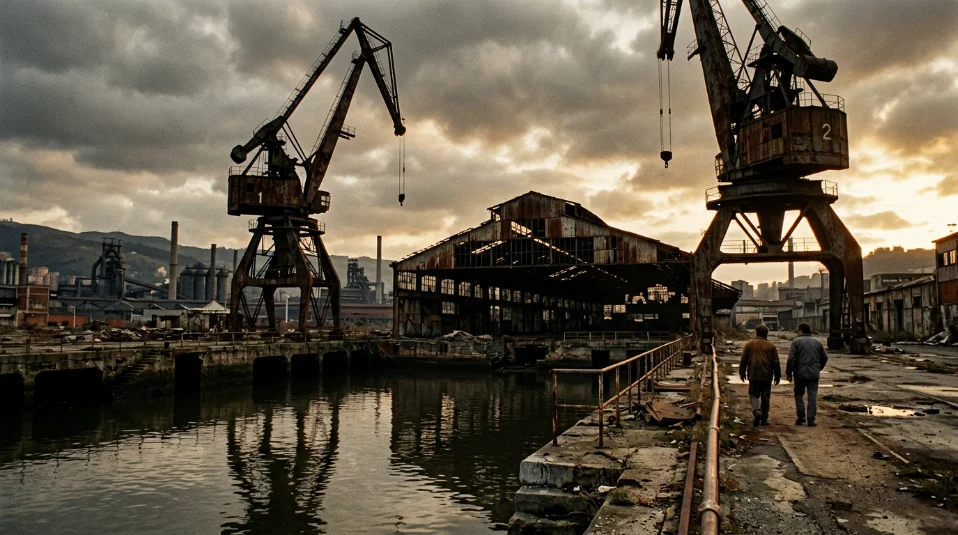
In 1991, Bilbao was a dying steel town. The Basque government gambled $100 million on one building — and hired Frank Gehry to design it. The result was the Guggenheim Museum Bilbao, opened in 1997: a swirling titanium-clad structure that sparked the "Bilbao Effect" and put a forgotten city on the world map.
Gehry's design was so radical that only one software could model it: CATIA, originally developed for aerospace. Each of the building's ~33,000 titanium shingles was uniquely shaped — no two panels are identical. The titanium skin, just 0.38mm thick, was chosen for its ability to shift colour with the light, glowing golden at dawn and silver at dusk.
Construction ran from 1993 to 1997. Workers assembled the complex curves using a digital blueprint — one of the first times in history that a building's computer model served directly as the fabrication guide. The result: a structure that looks like a collapsing ship, a metallic flower, and a fragment of a dream, all at once.
Sources:
Add more perspectives or context around this Post.